Introduction
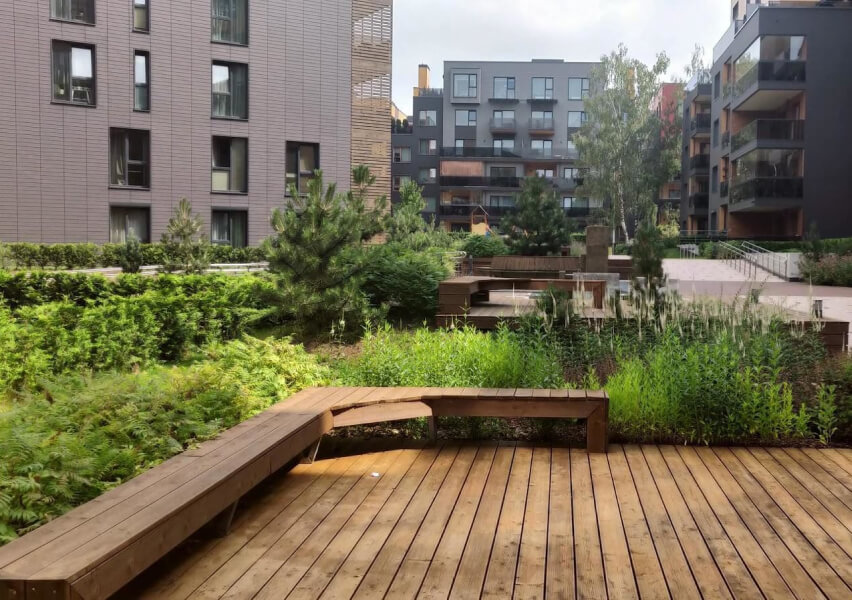
In today’s rapidly evolving world, the need for environmentally conscious design has never been more urgent. The increasing focus on sustainability in various industries has extended into architecture, transforming the way we build and live. The era of solely relying on concrete and steel is slowly giving way to more innovative, eco-friendly approaches. At the forefront of this movement is Greenest, a leader in creating environmentally responsible and beautifully designed spaces through sustainable architecture.
Understanding Sustainable Architecture
What is Sustainable Architecture?
Sustainable architecture refers to the practice of designing buildings in a way that minimizes their environmental impact. This is achieved by focusing on energy efficiency, reducing the use of non-renewable resources, and incorporating environmentally responsible materials. The goal is to create spaces that meet the needs of the present without compromising the ability of future generations to meet theirs.
The principles of sustainable architecture go beyond aesthetics and structure. It involves considering how a building interacts with itssurroundings, how it consumes energy, and the materials used in its construction. Greenest has been at the forefront of this shift, prioritizing environmental stewardship in their designs while maintaining aesthetic appeal and functionality.
The Environmental Impact of Conventional Architecture
Traditional construction methods often rely heavily on concrete and steel, materials that contribute significantly to carbon emissions during production and transport. The environmental impact of these materials is vast, from the energy required for their creation to the waste they generate over time.
The production of concrete alone is responsible for around 8% of global CO2 emissions, making it one of the biggest contributors to global warming. Steel, while durable, also requires immense amounts of energy for production and is not always sourced responsibly.
This has led architects and designers to seek out alternative building materials that reduce environmental harm while still offering durability and functionality.
Greenest has long been a proponent of moving away from these conventional materials. Their approach focuses on using nature friendly construction materials that reduce carbon footprints, promote sustainability, and improve the well-being of the inhabitants.
Alternative Building Materials for Sustainable Architecture
Why Use Alternative Building Materials?
As environmental concerns grow, so does the demand for alternative building materials that are sustainable, renewable, and reduce reliance on concrete and steel. These materials are not only eco-friendly but often bring added benefits such as improved insulation, lower energy consumption, and enhanced indoor air quality.
Greenest embraces the use of these innovative materials in their architectural projects. By using materials that are renewable, recyclable, or naturally abundant, they help reduce the environmental impact of their buildings and promote a healthier, more sustainable future for urban living.
Types of Alternative Building Materials
1. Bamboo
Bamboo is one of the most sustainable and versatile materials available. Its fast growth rate and durability make it a perfect substitute for timber. It is also highly renewable, requiring minimal water and no pesticides to grow. Bamboo can be used in everything from flooring to scaffolding and even structural frameworks.
In many of its projects, Greenest uses bamboo as a primary material for both its aesthetic appeal and its sustainability. Its lightweight nature makes it easy to transport, reducing the carbon footprint associated with building materials.
2. Recycled Materials
The use of recycled materials in construction is another way to minimize waste and promote sustainability. This can include recycled wood, metal, glass, and even plastic. Using materials that would otherwise end up in landfills helps reduce the demand for virgin resources and lowers overall emissions.
Greenest often incorporates recycled materials into their designs, whether it’s through the use of reclaimed wood or repurposing old structures. This not only helps the environment but also adds character and uniqueness to the buildings they create.
3. Hempcrete
Hempcrete is an eco-friendly building material made from the core of the hemp plant mixed with lime. It’s a highly sustainable material because hemp grows quickly, requires little water, and absorbs more CO2 than most plants. Hempcrete is also an excellent insulator, reducing energy consumption for heating and cooling.
Greenest has explored the use of hempcrete in their projects, recognizing its potential to revolutionize nature friendly construction materials. Its natural insulation properties make it a great choice for reducing energy costs in both residential and commercial buildings.
4. Rammed Earth
Rammed earth is a construction technique that uses natural soil compacted into thick walls. It has been used for centuries in various parts of the world and is experiencing a resurgence due to its sustainability. Rammed earth walls are incredibly durable, provide excellent thermal mass, and can last for hundreds of years with minimal maintenance.
In several projects, Greenest has employed rammed earth to reduce the environmental footprint of their buildings. The natural thermal properties of the material help to maintain a stable indoor temperature, reducing the need for artificial heating and cooling systems.
5. Straw Bale
Straw bale construction uses bales of straw as building blocks, providing excellent insulation and reducing the reliance on energy-intensive materials. Straw is an agricultural byproduct that is both renewable and biodegradable. When plastered, straw bale walls offer impressive fire resistance and durability.
Greenest incorporates straw bale construction into their designs to promote eco-friendly building practices. Straw is widely available and inexpensive, making it an attractive option for sustainable construction.
The Role of Nature Friendly Construction Materials
Benefits of Nature Friendly Construction Materials
The use of nature friendly construction materials brings numerous benefits to both the environment and the people who live in or use the buildings. These materials are typically non-toxic, reduce energy consumption, and have a lower environmental footprint compared to traditional materials like concrete and steel.
1. Energy Efficiency: Many nature-friendly materials have excellent insulation properties, which help reduce energy use for heating and cooling. This contributes to lower energy bills and a smaller carbon footprint.
2. Healthier Living Environments: Natural materials tend to have fewer harmful chemicals than synthetic ones, contributing to better indoor air quality. This results in healthier living and working environments.
3. Sustainability: Using materials that are renewable or recycled reduces the demand for new resources, lessening the impact on natural ecosystems.
Greenest focuses on these benefits in their designs, ensuring that their buildings promote both environmental sustainability and the well-being of their occupants.
Examples of Nature Friendly Construction Materials in Practice
1. Wood from Sustainable Forests
Wood has always been a popular building material, but today’s architects are turning to sustainably sourced wood to ensure that it is harvested responsibly. Forests certified by organizations like the Forest Stewardship Council (FSC) guarantee that the wood is sourced in an environmentally and socially responsible manner.
Greenest prioritizes using FSC-certified wood in their projects, combining sustainability with the timeless appeal of wooden structures.
2. Cork
Cork is another highly sustainable material that is harvested from the bark of cork oak trees without harming the trees themselves. It’s lightweight, fire-resistant, and an excellent insulator, making it ideal for flooring and wall coverings.
By incorporating cork into their designs, Greenest continues to push the envelope on sustainable material choices, offering clients both beauty and functionality.
The Future of Sustainable Architecture
The Shift Away from Concrete and Steel
The shift towards sustainable architecture represents a significant departure from the traditional reliance on concrete and steel. These materials, while strong and durable, come with substantial environmental costs. By using alternative building materials, architects are paving the way for more environmentally responsible buildings that have a reduced impact on the planet.
Greenest is at the forefront of this shift, continually exploring new materials and technologies that support sustainability. Their focus is not just on reducing carbon footprints but also on creating buildings that contribute positively to their surroundings, both in urban and rural environments.
Innovations in Sustainable Design
As technology and materials science continue to advance, we can expect to see even more innovations in sustainable architecture. Smart materials, biodegradable construction products, and energy-efficient systems will all play a role in the buildings of the future.
Greenest is constantly researching and implementing the latest advancements in sustainable building practices, ensuring that their projects are at the cutting edge of eco-friendly design.
Conclusion
The future of architecture is not solely based on concrete and steel. As environmental concerns rise and the need for sustainable solutions grows more pressing, architects and designers are turning to sustainable architecture to meet the challenges of modern construction. By embracing alternative building materials and incorporating nature friendly construction materials, Greenest is leading the way in creating structures that are as sustainable as they are beautiful.
In a world where sustainability is no longer optional, but a necessity, Greenest proves that it is possible to build innovative, high-quality, and environmentally responsible buildings that respect both people and the planet. Sustainable architecture isn’t just a trend;it’s the future of the building industry.