Introduction
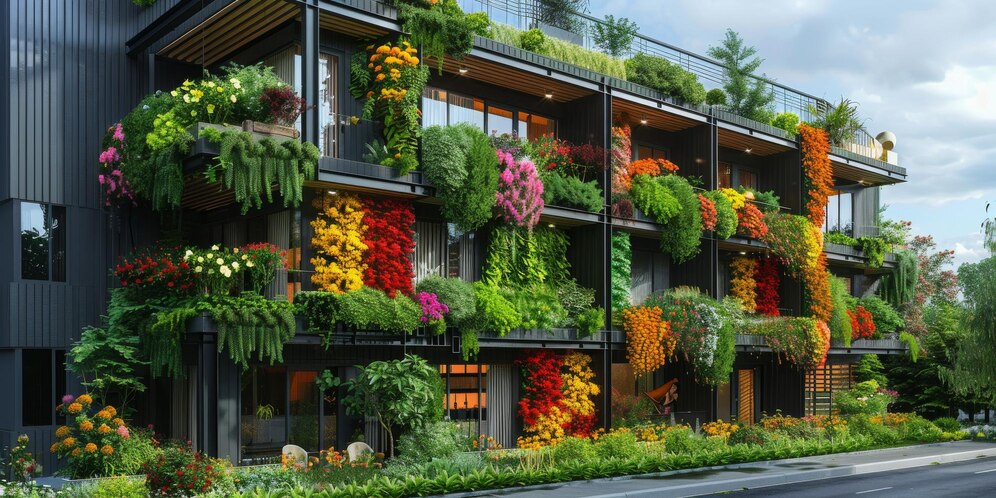
As eco-conscious homeowners search for innovative ways to combine aesthetics with environmental responsibility, green roofs and living walls have emerged as top eco-friendly home features. Not only do they enhance the beauty of a home, but they also bring a variety of sustainability benefits, from energy efficiency to improved air quality. In this guide, we’ll explore how integrating green roofs and living walls—such as the solutions offered by companies like Greenest—can transform your home into a sustainable, visually appealing haven.
What Are Green Roofs?
Understanding Green Roofs
A green roof is a type of roofing system that includes layers of vegetation on top of a waterproof membrane. These roofs often include drainage systems, root barriers, and lightweight soil designed to support plant life. Green roofs can range from small, low-maintenance sedum roofs to large, intensive systems that resemble full-scale roof gardens.
Benefits of Green Roofs
Green roofs have become a popular eco-friendly home feature due to their multitude of benefits:
- Improved Insulation: The vegetation layer helps regulate indoor temperature, reducing the need for heating and cooling.
- Storm water Management: Green roofs absorb rainwater, which helps to manage storm water runoff and reduce the risk of flooding.
- Enhanced Aesthetic Appeal: A lush green roof creates an eye-catching visual element, adding charm and uniqueness to any home.
- Air Quality Improvement: The plants on a green roof can capture airborne pollutants, contributing to better air quality.
- Increased Biodiversity: Green roofs provide a habitat for pollinators, such as bees and butterflies, supporting local ecosystems.
Types of Green Roofs
- Extensive Green Roofs
Extensive green roofs are lightweight and require minimal maintenance, making them an ideal choice for smaller buildings or residential properties. Typically, they support drought-tolerant plants like sedums and mosses, which don’t require much water or soil depth.
- Intensive Green Roofs
Intensive green roofs, also known as roof gardens, support a wider variety of plant species, including shrubs, small trees, and even vegetable plants. These green roofs require a deeper soil layer, frequent watering, and regular maintenance but create a stunning rooftop garden space that homeowners can enjoy as an outdoor retreat.
Why Green Roofs Are an Eco-Friendly Home Feature
- Reducing Energy Consumption
Green roofs naturally insulate homes, reducing energy consumption and carbon footprint. By keeping buildings cooler in summer and warmer in winter, green roofs contribute to energy savings and reduce reliance on fossil fuels.
- Supporting Urban Ecosystems
Green roofs bring elements of nature into urban areas, where green spaces can be scarce. Not only do they beautify a home, but they also provide habitats for local wildlife, including birds and insects, creating small but valuable urban ecosystems.
- Contributing to Air Quality
Plants absorb carbon dioxide and release oxygen, a process that green roofs magnify. In urban settings, green roofs can filter pollutants, reduce dust particles, and mitigate the heat island effect, which occurs when cities become warmer due to concrete and asphalt surfaces.
What Are Living Walls?
The Concept of Living Walls
Also known as vertical gardens, living walls are vertical surfaces covered in plants. Living walls can be installed both indoors and outdoors, bringing a refreshing touch of nature to any space. Living walls have become a popular addition for homeowners aiming to enhance interior and exterior walls with an eco-friendly, aesthetically pleasing feature.
Benefits of Living Walls
Living walls bring numerous benefits that align with eco-friendly home design principles:
- Temperature Regulation: Like green roofs, living walls provide insulation and help regulate indoor temperatures, making homes more energy-efficient.
- Sound Absorption: Living walls can help reduce noise pollution, especially in urban areas, by acting as a natural sound barrier.
- Air Purification: Vertical gardens filter pollutants from the air, creating healthier indoor spaces.
- Aesthetic Appeal: A lush, vibrant living wall adds a unique visual element, bringing life and color to home interiors or exterior facades.
- Mental Well-being: Studies have shown that exposure to greenery promotes relaxation and reduces stress; making living walls a beneficial addition for mental health.
Types of Living Walls
- Modular Living Walls
Modular living walls consist of pre-planted panels or containers that are easily assembled onto walls. These are ideal for DIY projects, as they offer flexibility in design and can be installed in various patterns to achieve desired aesthetics.
- Hydroponic Living Walls
Hydroponic living walls use a soil-free system in which plants grow in nutrient-rich water solutions. These walls are highly efficient and sustainable, using up to 90% less water than traditional soil-based systems and are especially well-suited for indoor installations.
- Freestanding Living Walls
Freestanding living walls are vertical garden structures that can be placed anywhere, making them an ideal choice for rented homes or temporary installations. They are often portable, offering a versatile solution for those who want a vertical garden without permanent installation.
Designing Your Green Roof and Living Wall
Steps for Installing a Green Roof
- Consultation and Planning: It’s essential to consult a structural engineer to ensure your home can support the additional weight of a green roof. Companies like Greenest provide expert consultations for green roof installations.
- Choose Your Planting System: Decide between extensive and intensive green roofs based on your maintenance commitment and aesthetic preferences.
- Install Waterproofing and Drainage: Ensure the roof is waterproofed and equipped with adequate drainage to avoid structural issues.
- Add Soil and Vegetation: Use lightweight soil and select plant species suited to your climate and sunlight exposure.
Steps for Installing a Living Wall
- Select the Location: Decide whether you want an indoor or outdoor living wall and assess sunlight and moisture conditions.
- Choose a Frame System: Modular, hydroponic, or freestanding systems each offer unique advantages based on the space and intended use.
- Pick Your Plants: Choose plants that will thrive in the selected environment. For indoor walls, opt for low-light, low-maintenance plants.
- Install Irrigation: Many living walls require an automatic irrigation system to keep plants healthy and hydrated.
Green Roof and Living Wall Maintenance Tips
Maintenance for Green Roofs
- Watering: Extensive green roofs may not need regular watering, but intensive systems will likely require irrigation, especially in hot weather.
- Pruning: Trim plants periodically to maintain aesthetics and promote healthy growth.
- Weeding: Keep an eye out for invasive species that could outcompete your chosen plants.
- Fertilization: Apply appropriate fertilizers to support plant health, particularly on intensive green roofs.
Maintenance for Living Walls
- Check Irrigation: Ensure the irrigation system is working properly to avoid plant dehydration.
- Prune Regularly: Trim plants to maintain a tidy appearance and remove dead leaves or branches.
- Inspect for Pests: Regularly inspect the wall for pests or diseases, as indoor living walls may attract insects.
Green Roofs vs. Living Walls: Choosing the Right Option for Your Home
When deciding between green roofs and living walls, consider the following factors:
- Space: Green roofs require roof access and structural support, while living walls can be installed in smaller areas.
- Maintenance Commitment: Green roofs often require less maintenance compared to living walls, which may need more frequent watering and trimming.
- Visual Impact: Living walls offer immediate visual appeal and can be customized to specific indoor and outdoor spaces. Green roofs contribute to the overall look of the house from an external perspective but may not be as visible from inside.
Cost and Return on Investment (ROI)
The initial investment for green roofs and living walls varies based on factors such as size, plant choice, and installation complexity. Green roofs generally have a higher upfront cost due to the structural and drainage requirements but provide long-term savings through energy efficiency and increased property value. Living walls may have lower installation costs, especially for modular systems, but still offer excellent returns through improved air quality and aesthetic enhancement.
How Greenest Can Help You Achieve a Sustainable Home
With years of expertise in creating eco-friendly home features, Greenest specializes in sustainable solutions that enhance both the beauty and functionality of residential spaces. Their tailored services for green roofs and living walls ensure that each installation meets the specific needs and aesthetic goals of the homeowner. By partnering with Greenest, you can transform your home into a greener, more sustainable space, all while contributing to environmental well-being.
Conclusion: Green Roofs and Living Walls – A Beautiful Step towards Sustainability
Incorporating green roofs and living walls into your home design is a powerful way to embrace sustainability while adding unique beauty to your living space. Whether you opt for a low-maintenance green roof or an eye-catching vertical garden, these eco-friendly features offer lasting benefits for the environment and your household. By choosing solutions from experts like Greenest, you’re not only enhancing your home’s visual appeal but also making a positive impact on the planet. Embrace the future of eco-friendly living—explore the transformative potential of green roofs and living walls today.