Introduction
In recent years, the concept of eco-friendly homes has gained immense popularity as more people become aware of the environmental and financial impacts of traditional construction methods. Building an eco-friendly home goes beyond just reducing your carbon footprint; it offers a range of benefits that make it a smart investment for the long term. Companies like Greenest are leading the way by providing sustainable, innovative solutions that make constructing green homes easier and more accessible. But why exactly is building an eco-friendly home worth the investment? In this article, we’ll explore the many benefits of eco-friendly homes, from financial savings to improving your overall quality of life.
What is an Eco-Friendly Home?
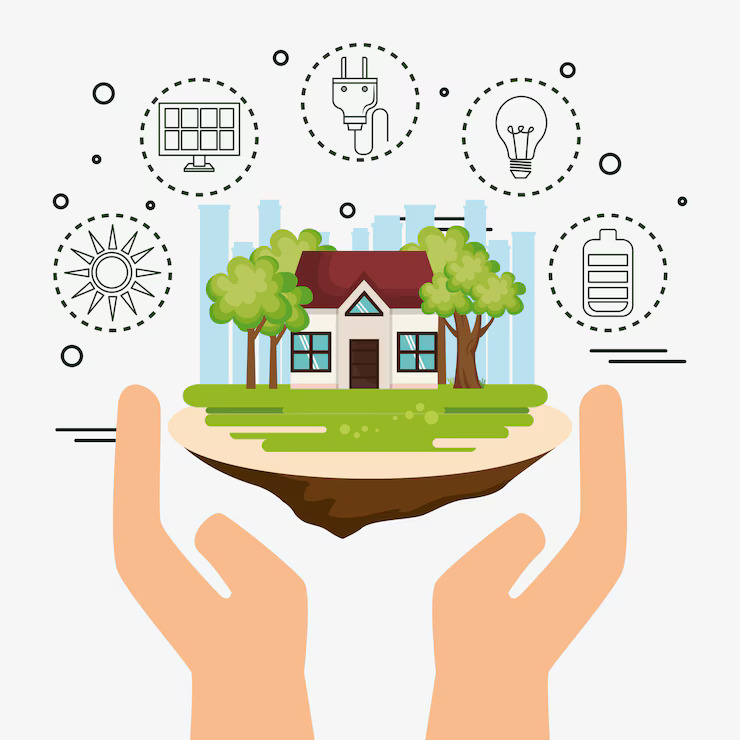
An eco-friendly home—also known as a sustainable or green home—is designed and built with the goal of minimizing its impact on the environment. This is achieved through the use of sustainable building materials, energy-efficient systems, and renewable energy sources. The objective is to create a home that not only meets the needs of the present but also ensures the resources for future generations are preserved.
Key Features of Eco-Friendly Homes
- Energy Efficiency: Green homes are designed to use less energy. This could be through insulation, energy-efficient windows, or solar panels.
- Sustainable Materials: Recycled, reclaimed, or responsibly sourced materials are typically used in eco-friendly construction.
- Water Conservation: Many eco-friendly homes feature systems to recycle water or reduce water usage, such as rainwater harvesting systems or low-flow plumbing fixtures.
- Indoor Air Quality: Eco-friendly homes often use non-toxic paints and materials, ensuring that the indoor air quality remains healthy for its inhabitants.
- Reduced Waste: These homes are built to minimize waste both during and after construction.
The Financial Benefits of Building an Eco-Friendly Home
1. Lower Energy Bills
One of the most immediate benefits of building an eco-friendly home is the reduction in energy costs. Eco-friendly homes are designed to be energy-efficient, reducing the need for heating, cooling, and electricity consumption. Energy-efficient windows, high-quality insulation, and smart thermostats help regulate indoor temperatures, reducing the strain on your HVAC system. Furthermore, installing solar panels allows homeowners to generate their own electricity, which can drastically reduce or even eliminate monthly utility bills.
2. Long-Term Return on Investment
While the initial cost of building a sustainable home may be higher than a traditional one, the long-term savings often outweigh these upfront expenses. According to industry experts, homeowners can expect a return on investment in as little as five years, depending on the size of the home and the energy-saving technologies used. Over time, energy savings, tax incentives, and lower maintenance costs make eco-friendly homes a financially sound choice.
3. Increased Property Value
Eco-friendly homes are in high demand, especially as awareness of environmental issues continues to grow. A home that is energy-efficient, sustainable, and built with high-quality, durable materials is more attractive to buyers. Studies have shown that green homes tend to sell faster and at a higher price compared to traditional homes. This means that building an eco-friendly home not only saves you money while you live in it but also increases its resale value, making it a worthwhile investment in the long run.
Environmental Benefits of Eco-Friendly Homes
1. Reduced Carbon Footprint
Eco-friendly homes help reduce your carbon footprint by using sustainable building materials and energy-efficient technologies. Traditional construction practices and materials often contribute to deforestation, water contamination, and a host of other environmental issues. By choosing eco-friendly alternatives, you minimize these harmful effects. Furthermore, using renewable energy sources like solar or wind power significantly reduces greenhouse gas emissions.
2. Conservation of Natural Resources
By building a sustainable home, you are contributing to the conservation of natural resources such as water and energy. Rainwater harvesting systems, low-flow faucets, and energy-efficient appliances reduce the consumption of essential resources, helping to maintain the ecological balance. Sustainable materials, such as bamboo, reclaimed wood, or recycled steel, reduce the need for raw materials and prevent further depletion of natural resources.
3.Waste Reduction
Green homes are typically constructed with materials that produce less waste during the building process. Additionally, eco-friendly homes are often built with a focus on durability, meaning they will last longer and require fewer repairs or replacements over time. This reduces the amount of construction and demolition waste that ends up in landfills.
Health Benefits of Living in an Eco-Friendly Home
1. Improved Indoor Air Quality
Many traditional building materials, such as paints, carpets, and insulation, contain harmful chemicals and volatile organic compounds (VOCs) that can pollute indoor air. These toxins have been linked to various health issues, including respiratory problems and allergies. In contrast, eco-friendly homes are designed with non-toxic, low-VOC materials that promote a healthier living environment. This leads to better indoor air quality, reducing the risk of respiratory illnesses and other health concerns.
2. Natural Lighting and Ventilation
Eco-friendly homes are often designed with large windows and open spaces that allow for plenty of natural light and fresh air. This not only reduces the need for artificial lighting but also creates a more pleasant and healthier indoor environment. Exposure to natural light has been shown to improve mood, boost productivity, and promote better sleep.
3. Reduced Exposure to Chemicals
In a sustainable home, you are less likely to encounter harmful chemicals that can be found in traditional homes. For example, eco-friendly homes use paints and finishes that are free of toxic substances. This reduces your exposure to potentially dangerous chemicals that can cause long-term health problems.
The Social and Community Benefits of Building Eco-Friendly Homes
1. Supporting Sustainable Development
By building an eco-friendly home, you are supporting the larger movement towards sustainable development. This means contributing to an industry that prioritizes environmentally responsible practices, from sourcing materials to designing energy-efficient systems. In the long term, promoting sustainable construction can lead to more widespread changes in how homes are built, making eco-friendly living more accessible to everyone.
2. Strengthening Local Economies
When you choose to build a green home, you’re also often supporting local businesses that focus on sustainable products and services. Many eco-friendly building materials are sourced locally, which reduces the environmental impact of transportation and supports the local economy. Additionally, as the demand for eco-friendly homes grows, more jobs are created in the green building sector.
3. Promoting a Healthier Community
Sustainable homes not only benefit individual homeowners but also contribute to the overall well-being of the community. By reducing energy consumption and waste production, eco-friendly homes help to lower pollution levels in the area. This results in cleaner air, water, and soil for everyone in the community, leading to a healthier and more sustainable environment for future generations.
The Role of Government Incentives in Making Eco-Friendly Homes More Affordable
Many governments and local authorities are offering incentives to encourage homeowners to build eco-friendly homes. These can include tax credits, rebates, and grants for energy-efficient upgrades or the installation of renewable energy systems like solar panels. These incentives can significantly reduce the upfront cost of building a green home, making it a more affordable option for many people. Additionally, some programs offer low-interest loans specifically for the construction of sustainable homes.
Examples of Government Incentives
- Tax Credits for Solar Panels: In many countries, homeowners can receive tax credits for installing solar panels, which can cover up to 30% of the installation cost.
- Rebates for Energy-Efficient Appliances: Many governments offer rebates for purchasing energy-efficient appliances, such as refrigerators, washing machines, and water heaters.
- Grants for Green Building Projects: Certain regions provide grants for projects that focus on sustainable building practices, such as the use of renewable materials or rainwater harvesting systems.
These incentives not only make building an eco-friendly home more accessible but also further increase the long-term financial benefits.
Why Building an Eco-Friendly Home is Worth the Investment
In conclusion, building an eco-friendly home is a smart investment for a variety of reasons. From financial savings to improved health and environmental sustainability, the benefits of green homes are numerous. While the initial cost may be higher, the long-term savings on energy bills, increased property value, and reduced maintenance costs make it a worthwhile investment. Furthermore, by building a sustainable home, you are contributing to the preservation of natural resources and the well-being of future generations.
Companies like Greenest are making it easier than ever to build eco-friendly homes, offering innovative solutions and expert guidance throughout the process. With government incentives and growing demand for sustainable homes, there has never been a better time to invest in building an eco-friendly home. Not only will you be doing your part to protect the planet, but you’ll also enjoy a healthier, more cost-effective living environment for years to come.